The US State Department has moved forward with plans to sharply reduce the number of embassies and consulates authorized to process US visa applications worldwide. The measure is part of a broader restructuring launched under the Trump administration, which is expected to result in the closure of nearly 30 embassies and consulates globally, marking the largest reduction of the US diplomatic footprint in recent history.
Sub-Saharan Africa is the region most affected by the restructuring. Morocco, Algeria, Tunisia, and Egypt are not included in the changes.
Read also : Henley Passport Index: Strongest to weakest African passports
Under the new system, visa services will end at 25 consular posts across 25 African countries. Beginning August 1, 2026, those posts will no longer process either immigrant or non-immigrant visa applications.
The US State Department said “applicants who already have visa appointments at the affected posts should monitor their email for country-specific instructions regarding appointment transfers, rescheduling procedures, or other case-related guidance.” It also noted that “applicants who have already paid the Machine Readable Visa (MRV) fee at a consular post transitioning to limited visa services must schedule their appointments before July 31, 2026.”
Read also : Henley Passport Index: Strongest to weakest African passports
The restructuring reduces the number of embassies and consulates handling routine visa applications in sub-Saharan Africa from about 50 to 20 regional hubs spread across 19 countries. South Africa will host two of the hubs, in Cape Town and Johannesburg.
Each hub will process applications from one or more neighboring countries based on a new allocation established by the State Department. For example, the Dakar hub in Senegal will handle visa applications from Mauritania, Mali, Burkina Faso, Guinea-Bissau, The Gambia, and Guinea.

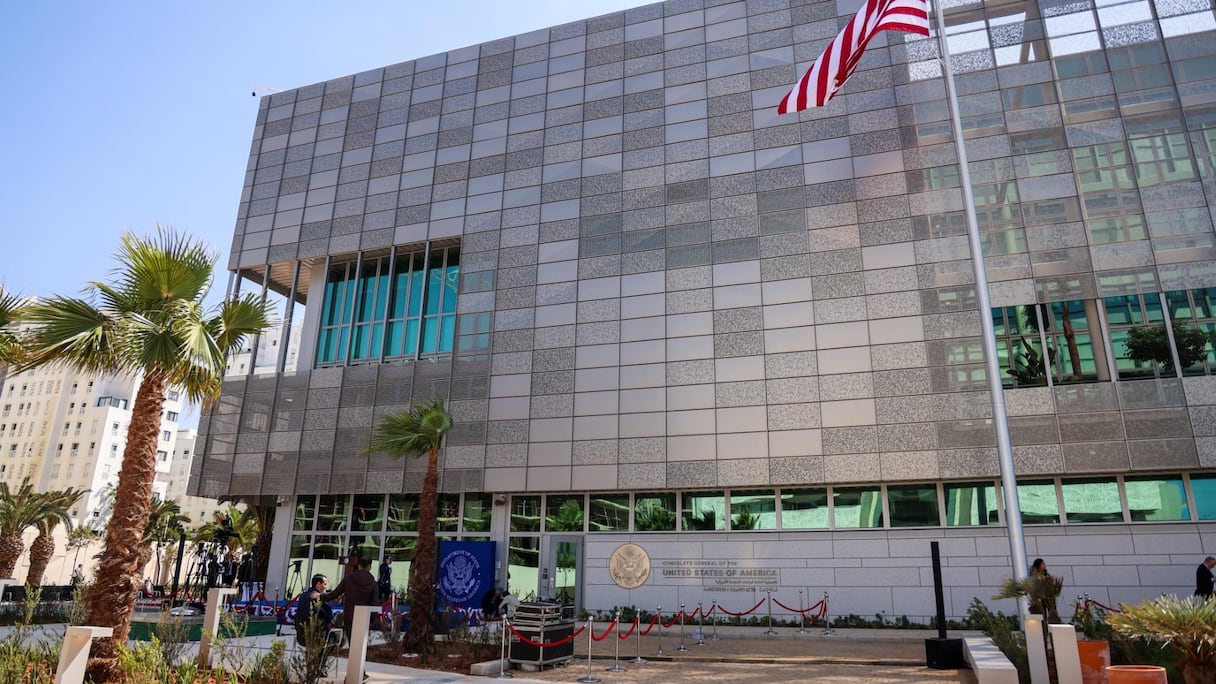
U.S. consolidates visa processing into 20 African hubs, ending services in 25 countries.. DR
Southern Africa has been the hardest hit by the restructuring, with only three regional hubs remaining—two in South Africa, in Cape Town and Johannesburg, and one in Luanda, Angola. West and East Africa have retained broader coverage. Across the 16 countries of West Africa, including Mauritania, seven regional hubs will process visa applications: Abidjan (Côte d’Ivoire), Accra (Ghana), Dakar (Senegal), Lagos (Nigeria), Lomé (Togo), Monrovia (Liberia), and Praia (Cape Verde).
Read also : Visa teams up with Crédit Agricole du Maroc to drive cashless payments and financial inclusion
As a result, nationals of countries where visa processing centers are closing will now have to travel to their designated regional hub to obtain a US visa. This will create significant logistical and financial challenges, as applicants must travel abroad to submit biometric data and attend visa interviews, whether applying for tourism, study, or immigration visas.
The new system is expected to place an additional burden on applicants. Besides transportation and accommodation costs, travelers may also need to obtain a visa simply to enter the country hosting their designated processing hub.
Through this hub-based model, the Trump administration is seeking to discourage visa applications by requiring applicants to travel across borders before they can even begin the process of obtaining a US visa.
These new requirements come on top of other immigration restrictions already imposed on several African countries, including travel bans affecting some nationalities and a requirement for others to pay a refundable security bond of up to $15,000 to obtain a US visa. The deposit is returned once the visa holder goes back to their home country after complying with the authorized period of stay.
Read also : Morocco emerges as Africa’s new tourism leader
The restructuring represents a complete overhaul of the US consular network across the continent, with many consulates losing their visa-processing functions. The move serves two main objectives: reducing the operating costs of US diplomatic missions abroad by cutting staffing levels, and reinforcing the stricter immigration policies introduced by President Donald Trump since returning to the White House, with the aim of curbing illegal immigration and visa overstays.
The State Department stressed that the reorganization does not involve the closure of any embassies or consulates. Instead, the affected missions will remain open while providing limited or specialized consular services, primarily assisting US citizens and handling exceptional cases related to national interests or diplomatic visas.